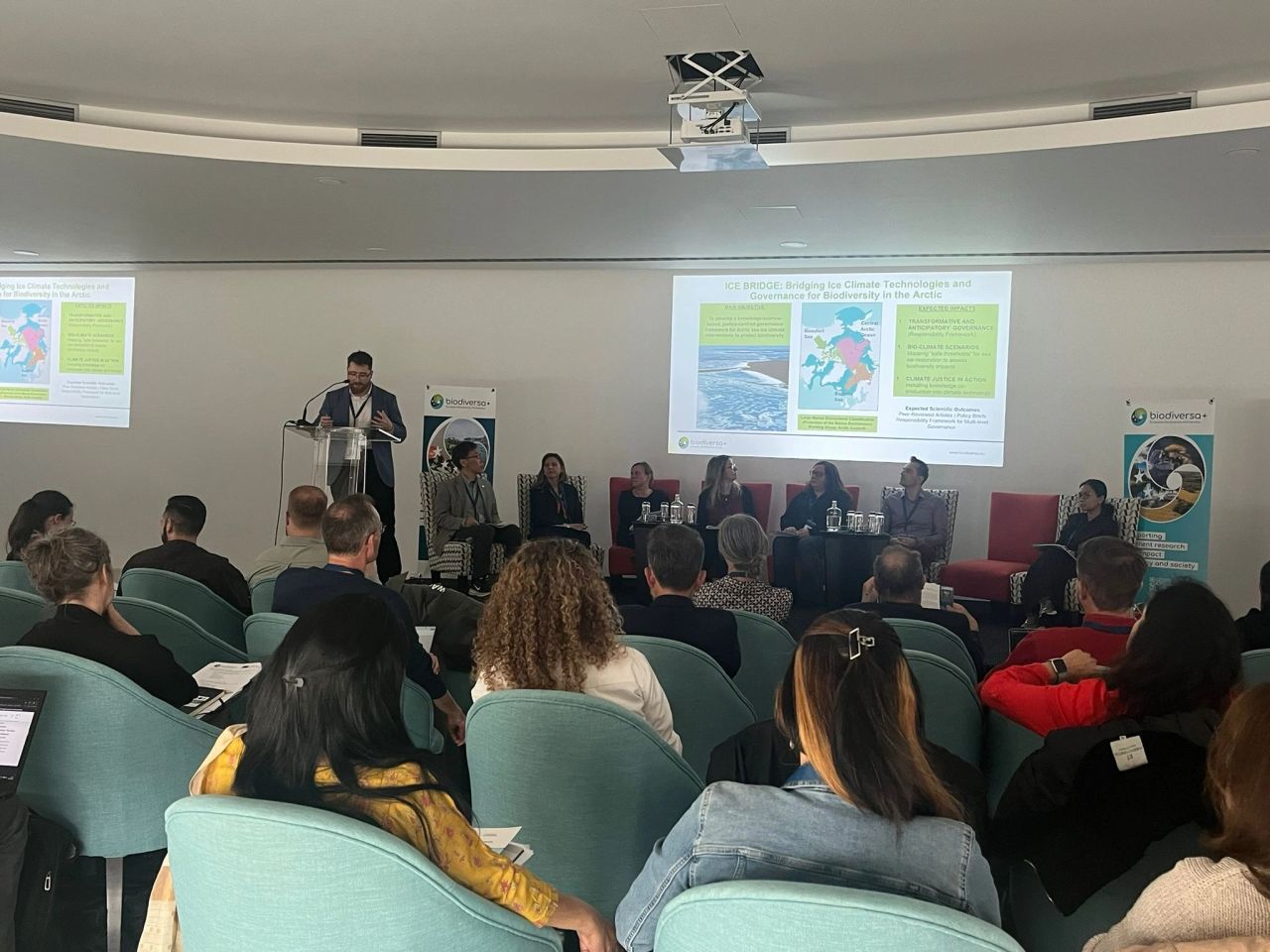
Stefansson Arctic Institute at the BiodivTransform Launch in the Azores
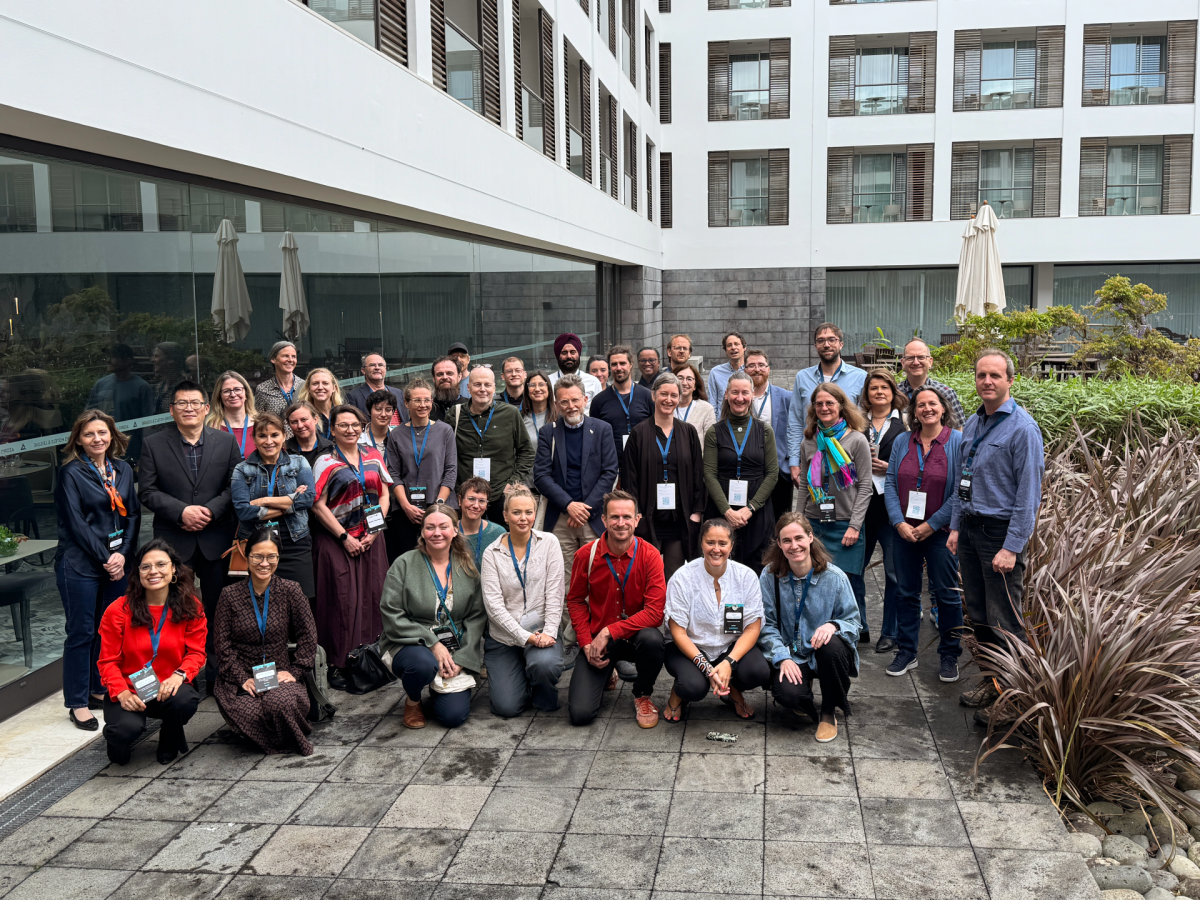
From 21 to 23 April 2026, the Stefansson Arctic Institute joined research teams from across Europe and beyond in Ponta Delgada (São Miguel, Azores) for the launch events of BiodivTransform, the European Biodiversity Partnership's new joint research call on Biodiversity and Transformative Change. Co-funded by the European Biodiversity Partnership Biodiversa+ and the European Commission, BiodivTransform brings together 35 interdisciplinary projects that will, over the next three years, analyse transformation processes aimed at safeguarding biodiversity and the benefits it provides to people.
Dr. Romain Chuffart, Nansen Professor in Arctic Studies at the University of Akureyri attended the three-day event together with Prof. Corine Wood-Donnelly (Nord University; ICE BRIDGE WP3 lead) to represent ICE BRIDGE – Bridging Ice Climate Technologies and Governance for Biodiversity in the Arctic in which the Stefansson Arctic Institute plays a leading role with Dr. Chuffart as principal investigator and overall project coordinator.
The programme opened on Tuesday with a public Science-Policy Forum on Biodiversity and Transformative Change: Science-Policy Pathways for Europe, featuring a keynote by Prof. Karen O'Brien, co-chair of the IPBES Transformative Change Assessment, alongside contributions from the European Commission and national expert represantives on the Convention on Biological Diversity. On Wednesday, each of the 35 funded projects was introduced during a full-day kick-off, where Dr. Chuffart presented ICE BRIDGE. The events closed on Thursday with a clustering workshop in which the funded projects began mapping thematic overlaps and possibilities for collaboration, followed by a networking field trip to the twin-lake volcanic crater of Sete Cidades.
Coordinated from the Stefansson Arctic Institute and bringing together six research institutions across five countries, ICE BRIDGE will develop an anticipatory governance and justice framework for sea ice repair activities in the Arctic. As technologies designed to restore ice thickness and reflectivity move from proposals towards field tests, no comprehensive international framework currently regulates them, and their consequences for ice-dependent marine ecosystems remain poorly understood. Working across the Beaufort Sea, Barents Sea and Central Arctic Ocean, the project combines law, climate modelling, biodiversity science and environmental justice, anchored in the Kunming-Montreal Global Biodiversity Framework and the 1992 Convention on Biological Diversity's precautionary approach to geoengineering.