
Two New Research Projects Addressing Pressing Environmental and Societal Challenges in the Arctic
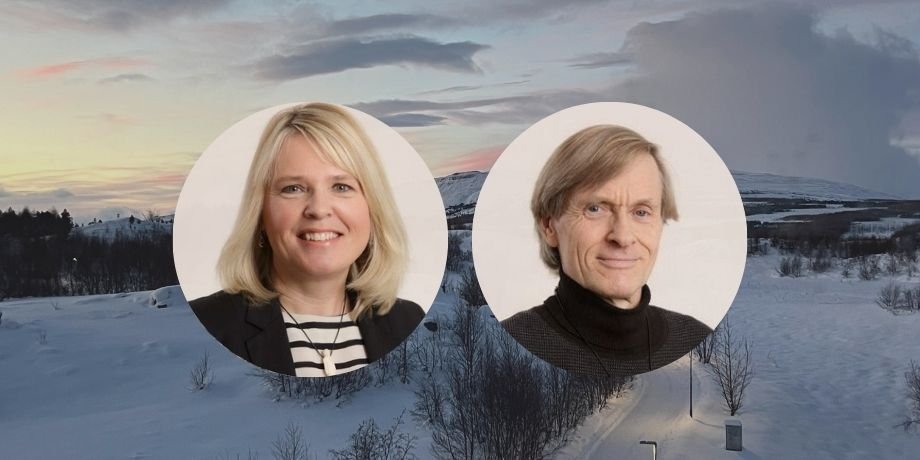
The Stefansson Arctic Institute has recently secured funding as partner in two distinct international research projects that address pressing environmental and societal challenges in the Arctic. Professor Joan Nymand Larsen is leading the research at the Stefansson Arctic Institute for both projects, which reflect the Institute’s long-standing commitment to interdisciplinary, field-based, and community-engaged Arctic research.
Sustainable Human Use of the Arctic Marine Environment
The first project, SustainME (Sustainable Human Use of the Arctic Marine Environment) is funded by NordForsk and led by the University of Ottawa in Canada, with the Institute of Marine Research in Norway serving as Nordic co-lead. Bringing together an international consortium of 17 partner institutions, SustainME will run for five years (2025–2029). The overall aim of SustainME is to co-produce new knowledge that supports the Sustainable Use of the Arctic Marine Environment (SustainME) by identifying and assessing adaptation solutions that can mitigate the impacts and risks associated with the combined effects of sea ice loss and growing human-use pressures on the Arctic marine environment.
Prof. Joan Nymand Larsen, together with Dr Jón Haukur Ingimundarson, will co-lead the research on food security in the Arctic within the project which includes fieldwork in Ilulissat, West Greenland. The work adopts a holistic approach to well-being, encompassing mental and physical health, local economic security, secure livelihoods, and food security, while examining how sea ice and ocean conditions, marine transportation, and living marine resources collectively shape community well-being and food security.
Preserving Arctic Heritage in a Changing Climate
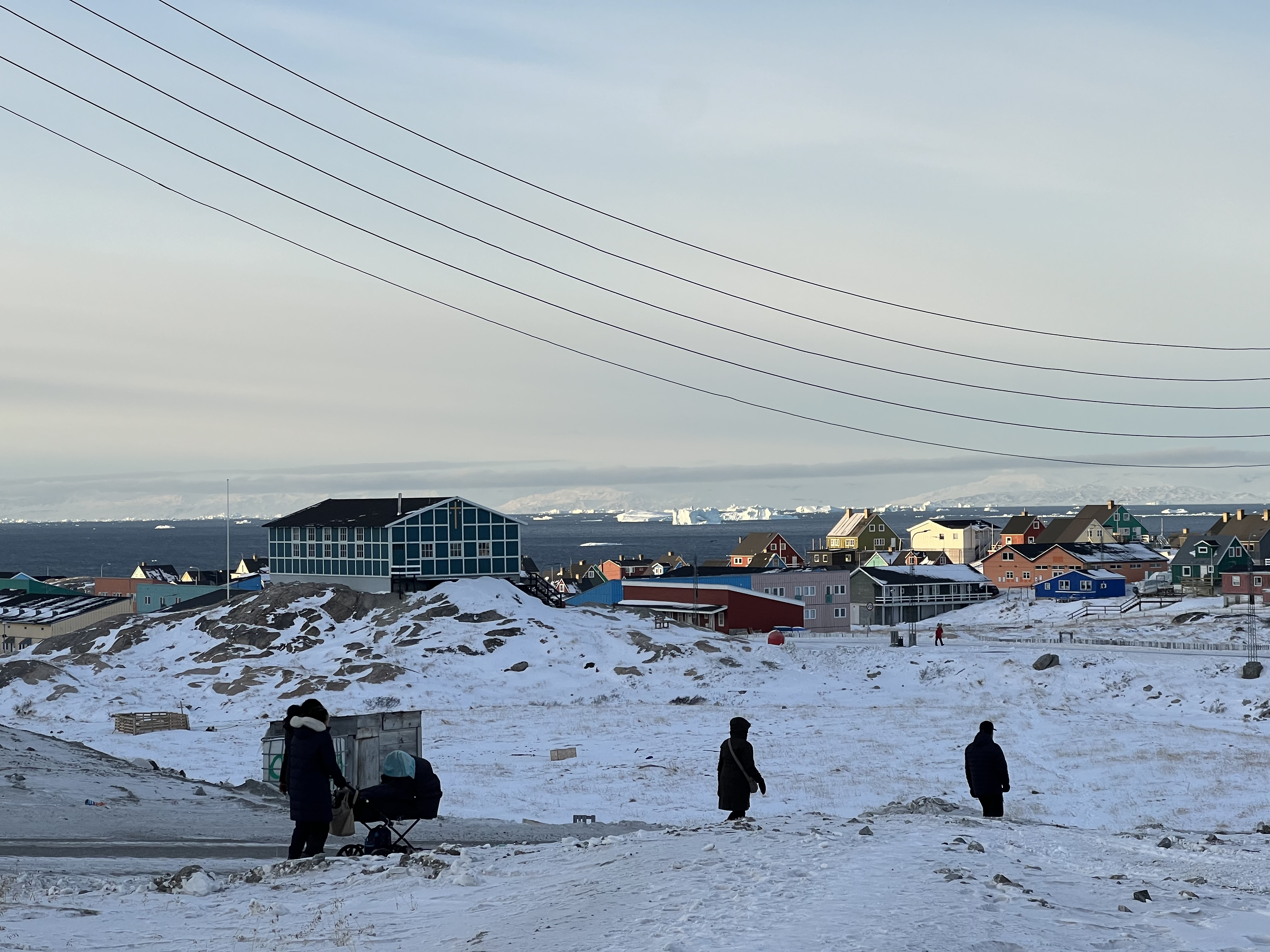
In the second project, Mapping Memories: Spatial Storytelling for Arctic Heritage Preservation in Times of Climate Change, the Stefansson Arctic Institute partners with NordRegio, Places.nu, Vestlandforskning, and the Ilulissat Icefjord Center. The research, which is led by NordRegio and in close collaboration with the Icefjord Centre in Ilulissat, seeks to document, sustain, and disseminate cultural heritage in two Arctic communities through participatory storytelling and digital mapping. The project is carried out through two sub-projects, one in Ilulissat, Greenland, and the other in Longyearbyen, Svalbard. Joan Nymand Larsen will contribute to the work carried out in Ilulissat and at the UNESCO World Heritage site of the Ilulissat Icefjord.
Climate change, including permafrost thaw, threatens to erode both tangible heritage sites and long-standing cultural traditions across the Arctic. By involving youth in recording memories and stories from Elders and older residents, the Mapping Memories project fosters intergenerational knowledge exchange while increasing awareness of the impacts of climate change on cultural heritage.
Co-production in Ilulissat
Both SustainME and Mapping Memories include fieldwork in Ilulissat, West Greenland, where Joan and Jón Haukur have conducted field-based research on climate change impacts, adaptation strategies, and social indicators for many years in close co-production with locals. This includes the work for the NUNATARYUK permafrost research project, which ran from 2017 to 2023 (see Nunataryuk - Home), and the ongoing ILLUQ permafrost project, which builds on NUNATARYUK and is connected to the newly funded Mapping Memories project.
Reflecting on the research, Joan highlights that the Arctic’s complexity requires an interdisciplinary approach. “In our research in West Greenland,” she notes, “we look at the connections between environment, society, and economy, and how change in one affects all the others.” She further emphasizes the importance of co-production: “Much of our research involves close collaboration with local residents. An interdisciplinary approach and careful co-production with local stakeholders help us create a more holistic and accurate picture of reality, and allows us to work together with communities to find meaningful solutions.”
For more information, please visit: